
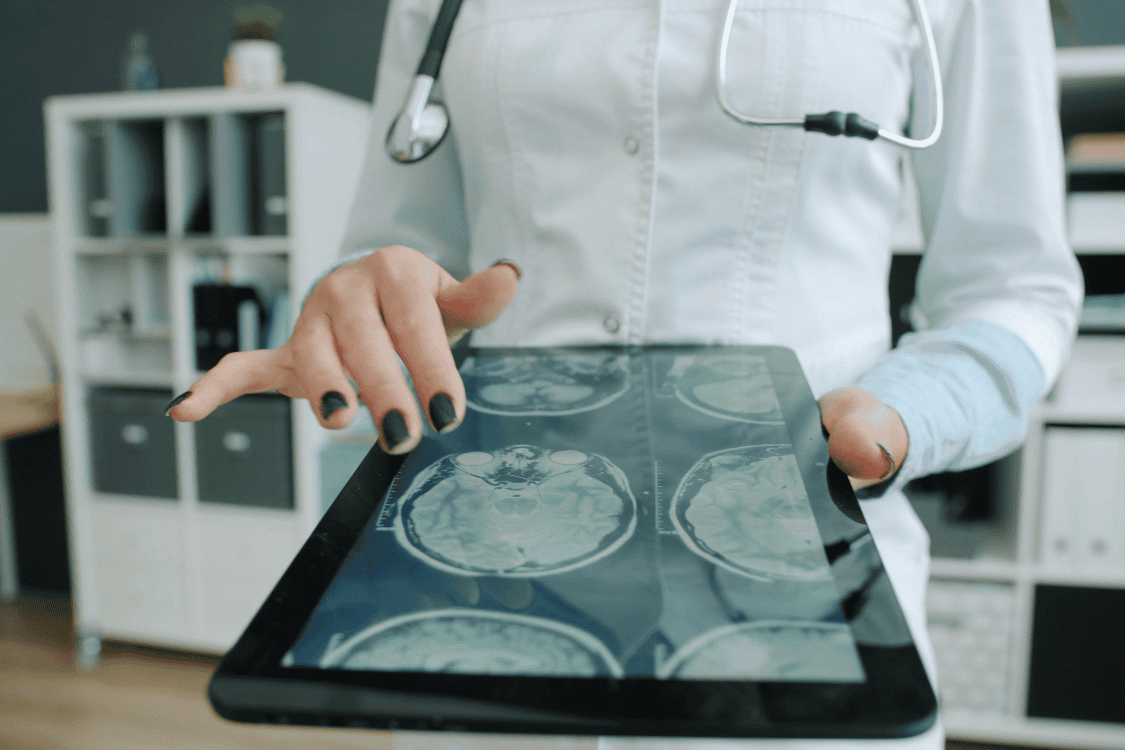
AI is reshaping how imaging centers handle patient arrivals and administrative chores by cutting hours of repetitive work and lowering error rates. Systems can pull data from forms and past records to populate fields, freeing staff to focus on patient care and more demanding tasks.
Smarter intake processes reduce wait times and make scheduling more predictable for technologists and clinicians.
1. Automated Patient Registration and Intake Forms
Machine driven form processing reads handwriting, voice recordings, and typed entries to extract names, dates, and key clinical details with high accuracy. The system matches those fields against existing records and suggests probable matches, which speeds verification and reduces duplicate charts.
Staff still review edge cases, but the heavy lifting falls to algorithms that learn common patterns and shorten the time to complete registration. That kind of automation cuts down on manual keying errors and helps maintain cleaner electronic records.
AI can convert spoken responses and scanned documents into structured entries so newcomers who struggle with online portals feel less overwhelmed. Natural language models fill in likely missing pieces while flagging uncertain items for human confirmation, a safety net that keeps workflow moving.
The combination of optical character recognition and contextual parsing handles messy forms that once stopped progress cold. Many imaging centers adopt these tools specifically for reducing rework before appointments begin, since accurate intake data prevents last-minute corrections at the front desk.
2. Intelligent Scheduling and Arrival Prediction
Predictive models analyze past appointment durations, modality type, and referral reasons to suggest realistic slots that reduce bottlenecks. These systems learn patterns such as which studies tend to run long and when certain clinicians finish earlier than scheduled, so calendar entries become more honest about time needs.
That leads to fewer late starts and less patient frustration in the waiting room. The models also update over time as seasonal shifts or staffing changes alter day to day flow.
Arrival prediction uses travel times, local traffic signals, and past punctuality records to estimate when a patient will actually check in. Front desk teams receive a heads up if a patient is likely to be early or late, which helps with short term rebalancing of trays and rooms.
When a late arrival is unavoidable the system suggests alternate nearby times so throughput suffers less. Those soft nudges prevent a single delay from rippling through an entire imaging list.
3. Automated Insurance Verification and Coverage Checks

Insurance checks that once took phone calls and hold music now happen in seconds via secure connections to payer portals and clearinghouses. AI corroborates plan names, coverage dates, and patient responsibility layers with prior authorizations and recent claims history.
Any conflicts trigger concise alerts for staff to follow up with focused questions rather than broad hunts for information. That keeps days moving while reducing surprise balances that land in patient inboxes later.
When a policy appears to need a preauthorization the system compiles the required clinical notes and suggested codes into a ready packet for submission. This packet includes the most relevant imaging history and phrasing that payers expect, which reduces back and forth.
Staff approve or edit the draft and then send it along with fewer edits required. The upshot is faster answers and fewer denials that stall scheduling.
4. Preauthorization and Documentation Capture
AI helps extract the clinical rationale from referral notes so preauthorization submissions reflect what payers require to grant approval. The tool highlights the most persuasive phrases and links that information to accepted coding and coverage rules.
Annotations show why a certain study is clinically appropriate, trimming uncertainty for authorization teams. That kind of alignment lowers the odds of a rejection and speeds patient access to needed imaging.
Document capture goes beyond scanned orders to gather lab results, prior imaging, and consult notes that strengthen the authorization request. The system organizes those items into a logical order that reviewers can scan in seconds rather than hours.
Where information is missing the software suggests precise questions to ask the referring clinician, cutting down the round trips. The flow becomes more surgical and less like looking for a needle in a haystack.
5. Conversational Patient Communication and Check In
Conversational agents handle routine questions about preparation, arrival instructions, and safety screening with a tone that mirrors front desk staff while being available twenty four seven. These bots confirm fasting rules, metal screening items, and whether a patient needs special transport or interpreter help.
When uncertain they hand off to humans with a concise transcript that prevents repeating the same details twice. The approach keeps the human touch for complex matters and shifts simple queries to automated channels.
At the point of check in kiosks or mobile apps guide patients through consent language and security checks using plain phrasing and clear visuals. AI verifies identity against existing records and flags any mismatches for staff review so errors are caught early.
The combination of previsit messages and in person confirmations means fewer surprises on arrival. That steadier flow lets teams spend more time on clinical priorities rather than chasing forms.
Scheduling changes and last minute cancellations are handled with a mix of predictive logic and warm messaging. Systems detect when a slot will likely go unused and surface waitlist patients who can arrive within a narrow window.
When someone on the waitlist accepts the offer the calendar updates in real time and staff receive a neat summary of next steps. The practice shrinks lost revenue while giving more patients timely access to care.